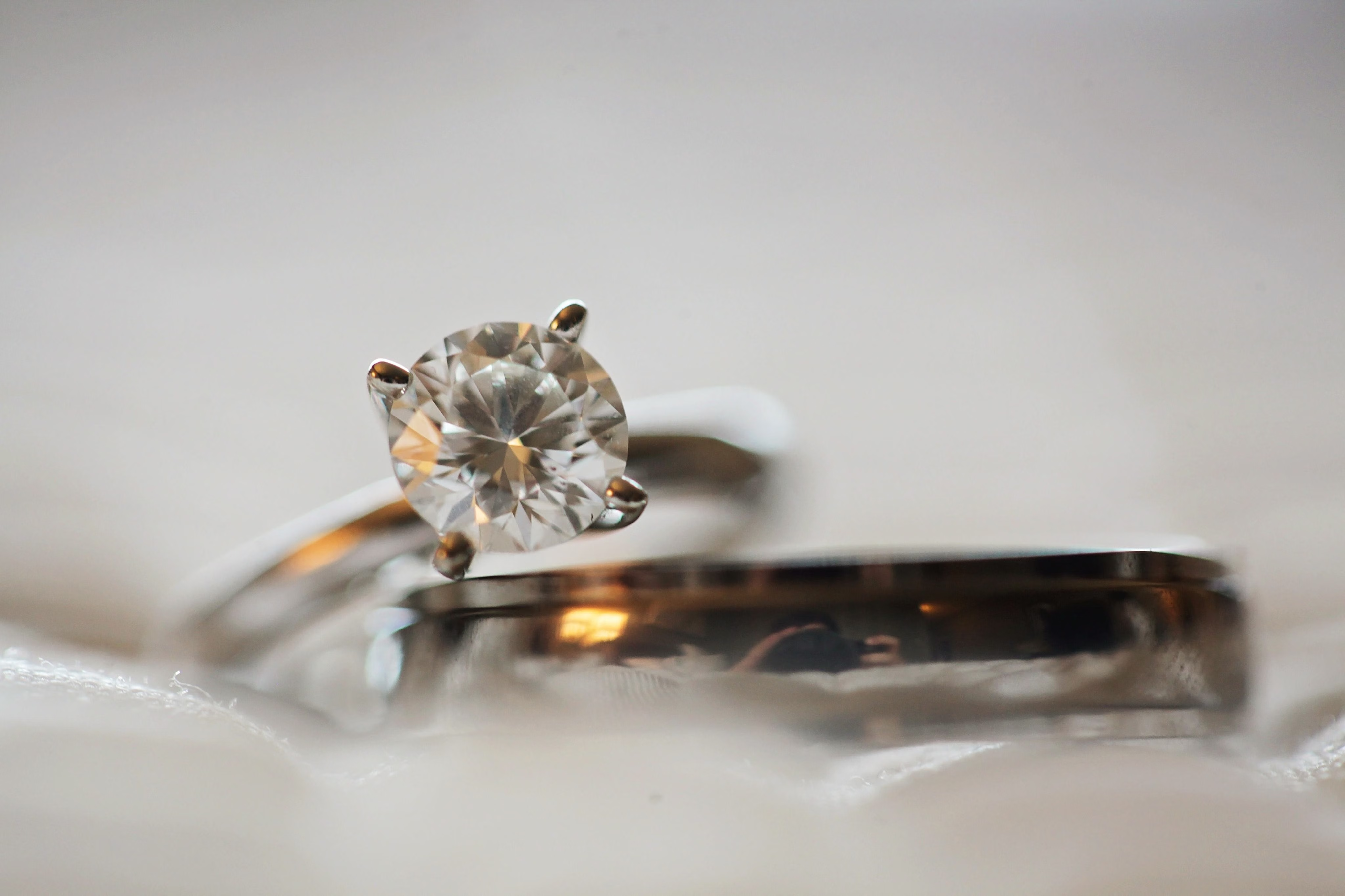
When you walk into a jewelry store or browse online for a diamond, you're faced with a choice that didn't exist a generation ago: lab-grown or mined? For many buyers, this question comes with confusion, misinformation, and conflicting opinions. This guide cuts through the noise to give you a clear, honest comparison so you can make the best decision for your needs and values.
Are Lab-Grown Diamonds "Real" Diamonds?
Yes—completely. Lab-grown diamonds have the same chemical composition (pure carbon), the same crystal structure, the same hardness (10 on the Mohs scale), and the same optical properties as diamonds extracted from the earth.
The only difference is their origin. Mined diamonds formed billions of years ago under extreme heat and pressure deep within the earth. Lab-grown diamonds are created in controlled environments using advanced technology that replicates those same conditions in days or weeks rather than millions of years.
Major grading laboratories like GIA and IGI grade lab-grown and mined diamonds using identical criteria. A certified lab-grown diamond comes with documentation of its cut, color, clarity, and carat weight—the same documentation you'd receive for a mined stone.
How Lab-Grown Diamonds Are Made
There are two main methods used to grow diamonds in a laboratory setting:
Chemical Vapor Deposition (CVD)
CVD is currently the most widely used method. A thin diamond "seed" crystal is placed inside a sealed chamber. The chamber is filled with a carbon-rich gas mixture (typically methane and hydrogen), and microwave energy is applied to break down the gas molecules. Free carbon atoms then attach to the seed crystal layer by layer, building up a fully formed diamond over a period of weeks.
CVD produces diamonds with excellent clarity and allows precise control over the stone's characteristics. Many high-end jewelers today work exclusively with CVD-grown lab diamonds because of the consistency and quality they offer.
High Pressure High Temperature (HPHT)
HPHT mimics the natural conditions under which diamonds form in the earth. A diamond seed is placed in a press along with carbon source material and a metal catalyst. The assembly is then subjected to pressures exceeding 1.5 million pounds per square inch and temperatures above 1,400°C. Under these conditions, carbon melts and crystallizes onto the seed, forming a diamond.
Key Differences: Lab-Grown vs. Mined
Price
This is where the difference is most striking. Lab-grown diamonds typically cost 50–70% less than mined diamonds of comparable quality. A one-carat, G-color, VS1-clarity mined diamond might retail for $5,000–$8,000, while a lab-grown stone with identical characteristics might cost $1,500–$2,500.
This price gap means you can either save money or significantly upgrade the quality and size of your stone without exceeding your budget.
Resale Value
Mined diamonds have historically retained some resale value, though far less than many buyers expect (typically 20–40% of retail price). Lab-grown diamonds currently have lower resale values due to market dynamics and declining production costs. If long-term resale is important to you, this is a factor to consider.
However, most people buying a diamond for an engagement ring or treasured piece of jewelry aren't planning to sell it—they're planning to wear it forever.
Environmental Impact
Large-scale diamond mining disrupts ecosystems, consumes enormous amounts of freshwater, and generates significant carbon emissions from heavy machinery. Lab-grown diamonds require far less land disturbance and can be produced using renewable energy sources, giving them a substantially smaller environmental footprint.
Ethics
The traditional diamond supply chain has faced scrutiny over conflict diamonds and labor practices in mining regions. Lab-grown diamonds offer complete supply chain transparency—you know exactly where your stone came from and can be confident no exploitative practices were involved.
Who Should Buy a Lab-Grown Diamond?
Lab-grown diamonds are an excellent choice for buyers who:
- Want the largest, highest-quality stone their budget allows
- Care about ethical sourcing and sustainability
- Are buying for personal wear (not as an investment)
- Want a certified, graded diamond with full documentation
Mined diamonds may appeal to buyers who:
- Strongly value the natural origin and geological history of the stone
- Place significant weight on potential resale or heirloom value
- Are buying a rare, colored diamond (where the mined market still dominates)
What to Look for When Buying Lab-Grown Diamond Jewelry
Whether you're purchasing an engagement ring, a pendant, earrings, or a bracelet, the same principles apply:
- Always request certification from a recognized laboratory (GIA or IGI)
- Prioritize cut quality—it's the most important factor in how beautiful the stone looks
- Choose a reputable jeweler who is transparent about their sourcing and craftsmanship
- Consider the setting—the right metal and design enhance the diamond's beauty
Jewelers like EX3 Diamond specialize in hand-crafted lab-grown diamond jewelry made in the United States, ensuring exceptional quality control and artisan craftsmanship that you simply can't find in mass-produced pieces.
The Bottom Line
Lab-grown and mined diamonds are both beautiful, real, and durable. The right choice depends on your priorities. If you want the best value, the clearest ethical story, and a stone that is visually indistinguishable from a mined diamond, a lab-grown diamond is an outstanding choice. If the geological provenance of a natural stone matters deeply to you, mined diamonds remain a timeless option.
Either way, an educated buyer is always a better buyer. Take the time to understand what you're purchasing, ask for certifications, and choose a jeweler you trust. Your diamond—whether grown in a lab or extracted from the earth—will be a symbol of something that lasts a lifetime.